Paul’s missionary strategy started after his calling on the road to Damascus and his encounter with Ananias. After this, Paul immediately went to the Jews to preach Christ (Acts 9:26). Paul, himself, did not initially realize that he would mainly be an apostle to the Gentiles.
After spending some time at both Jerusalem and Antioch, Paul officially begins his missionary journey.
The First Journey: To the Jews and Gentiles
In Cyprus, Paul went to the Jews first by preaching in the synagogue. Next, in Pisidian Antioch, he went to the Jews first, again, and preached the gospel. Many of the Jew rejected him, however, the Gentiles requested to hear his message.
It was at this point that Paul’s strategy began to change from going to the Jews only, to going to the Gentiles.
After this encounter, he went to the synagogue at Iconium, where both Jews and Greeks believed. He continued to Derbe and then circled back to Lystra, Iconium and Pisidian Antioch, establishing elders in every church (Acts 14:23).
Then he made his way back to his starting point at Antioch, through Pamphylia, Perga, and Attalia, completing his first missionary journey, acknowledging that God had opened the doors for the good news to be preached to the Gentiles. After dealing with the question of the applicability of circumcision and the Mosaic law to the Gentiles, at the Jerusalem Council, Paul embarked upon his next journey.
The Next Journeys
The strategy for the next missionary journeys was to strengthen the churches he had planted, distributing the findings from the apostles and elders declared in Jerusalem.
Starting at the home base in Antioch, his team continued with the mission. Paul continued to preach at synagogues, but he did not limit himself to those locations.
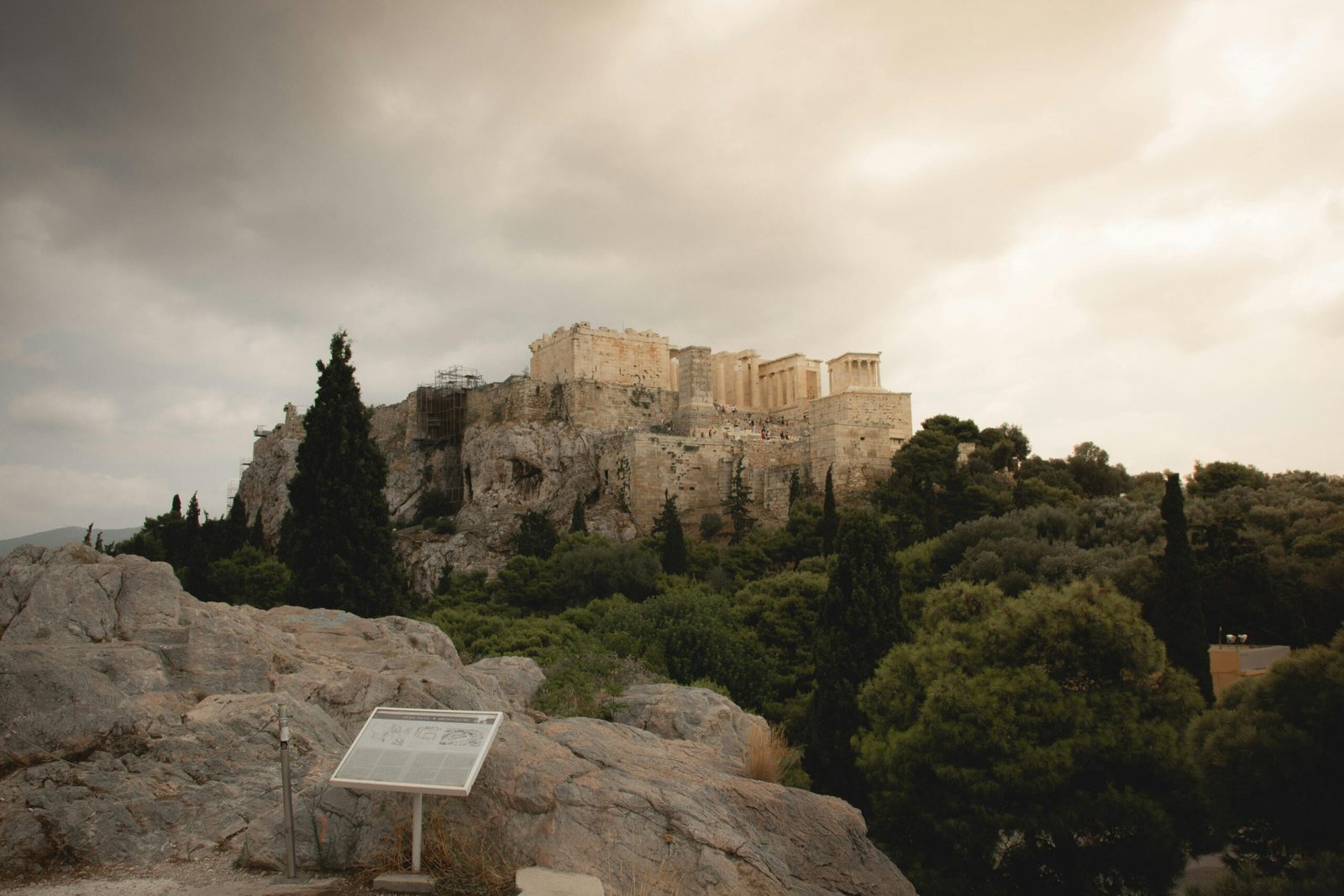
In Phillippi, he went to the riverside where prayers were customarily offered (Acts 16:13). In Thessalonica, Berea, and Athens he visited the synagogues. However, in Athens he also preached at the Areopagus (Acts 17:22). In addition, Paul preached in homes, the marketplace, government building, and any other place that provided the opportunity to share the gospel.
His congregations were made up of Jews and Gentiles alike. It is hard to grasp a percentage of each from what we read in Acts. However, in his letters, he appeared to direct much of his instruction to Gentiles. There was a mix of blue collar and white collar, male and female, city leaders, bondservants, slaves, military leaders, business people, and former Jewish leaders.
His Letters
In his letters “Paul normally followed the conventions of his day.”[1] For example, today a writer would not sign his name until the end of the letter, however, Paul, true to the letter writing style of his day, starts his letter with his name. His letters were structured with the following components, to a varying degree: A greeting, introduction, thanksgiving, encouragement, doctrine, application, blessing, and closing.
He took the time to address the “Jew versus Gentile” issue and would continuously teach that both Jew and Gentile were now one in Christ and there was no more division between them.
Many of his letters were instructions to the churches, like Romans, Corinthians, Galatians, Ephesians, Philippians, and Colossians. However, a few of his Epistles were to pastors, like 1 & 2 Timothy and Titus.
Emphasis on Preeminence of Christ
During the first century, Rome was heavily influenced by Greek culture which brought about interesting challenges. Elwell and Yarbrough write “Hellenization also brought with it religious syncretism.”[2] This combining of various religious beliefs was common during that era and may be a reason why Paul was always magnifying Jesus and setting Him and His teachings apart from the current teachings and philosophies of that day.
Paul emphasized that no other, but Jesus, was “all in all (Colossians 3:11)” and that “all things were created through Him and for Him (Colossians 3:16).”
Paul’s Rhetoric
In order to persuade his listeners and readers, Paul used various forms of ancient Greek rhetoric. For example, he used Ethos during his introductions when he identified himself as an apostle of Jesus Christ.
He also used his testimony, his change from radical Pharisee, to an unapologetic radical for his Savior, to further establish his trustworthiness.
He used Logos as he logically explained the OT Scriptures and how they related to Jesus’ incarnation, life, death, and resurrection and that they were the fulfillment of them. In addition, he used Kairos when he seized upon the opportune time to witness to the leaders of that day. In the account of his testimony before Festus and King Agrippa, Paul was so effective with this rhetoric that Agrippa stated “You almost persuaded me to become a Christian (Acts 26:28).”
Furthermore, Paul seemed to be right at home as he spoke with the people of Athens at the Areopagus, going toe to toe with the philosophers of that Hellenistic society, as he, again, used the opportune time (Kairos) to tell them his thoughts about the inscription on the altar “TO THE UNKNOWN GOD Acts 17:23).”
He used this as a springboard to explain that there was only one true God, in the midst of a polytheistic society.
Stay tuned for Part 3 pertaining to Paul’s theology.
References
[1] John R. Stott, The Message of Romans: God’s Good News for the World, the Bible Speaks Today (Leicester, England; downers Grove, IL: InterVarsity Press, 2001), 46.
[2] Elwell and Yarbrough, Encountering the New Testament, 185.
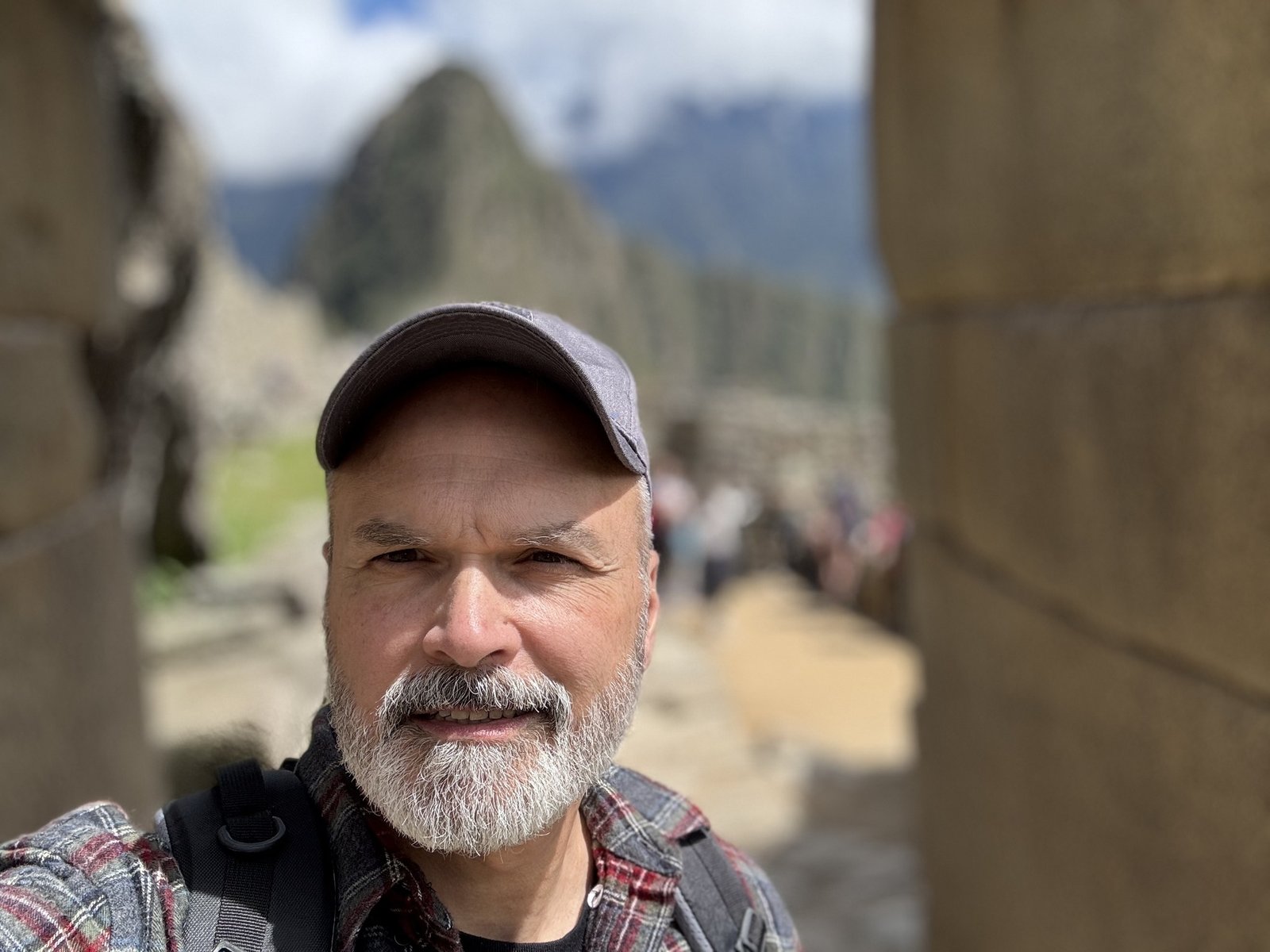
Dan Buteau has been married for the last 33 years and is a father of four adult children. He is also a grandfather to five children. He serves as a Pastor at a church in southern Maine. He has a Bachelor’s Degree in Math Studies from Granite State University and he is currently a Master’s of Theology student at Liberty University. In addition, Dan served in the United States Marine Corps for four years and is retired from a 25-year career in law enforcement. He has a hunger and thirst for the Word of God and is continuing to obey the calling of his Savior, Jesus Christ, as he carries out the Great Commission.