The first chapter of the Book of Psalms acts as an introduction to the rest of the book. Many books have introductions written by their author and one of the purposes of an introduction is to give an overview of what the book is about. It talks about major themes, serves as an outline, and/or gives foundational information to assist in understanding the content.
The first psalm starts off with some wisdom and points of instruction, so it is important to understand its few short verses.
Slippery Slope of Sin
The first word of the Book of Psalms is “blessed”, so it was evident that the author thought it important for the reader to understand the way to achieve this state of being. It started in the first verse with the explanation of the slippery slope of sin.
The first example we see of mankind walking in the counsel of the ungodly is in the book of Genesis, when Eve listened to the serpent’s counsel to eat the forbidden fruit. She then went one step further and plucked the fruit from the tree.
She had it in her hand and could still have chosen not to follow through, but she took another step toward sin and ate the fruit. Furthermore, she passed it on to Adam and he also ate the fruit.
Right from the beginning, God showed us the pattern and process of sinking into sin; listen to the enemy’s counsel, stand in the same path as sinners, then sit in the seat of the scornful.
Downward Progression of Sin
There are many biblical examples of the downward progression of sin. Through this parallelism, the author placed a warning sign to recognize and avoid this trap. This is not just an OT concept, it is also seen in the NT.
In the Book of James, the author stated that “But each one is tempted when he is drawn away by his own desires and enticed. Then, when desire has conceived, it gives birth to sin; and sin, when it is full-grown, brings forth death (James 1:14-15).”
Therefore, there is a pattern that leads to destruction. The warning is given in the first verse of the book of praise. When the blessed man heeds the warning signs, he spends his time on a more worthy and uplifting practice.
Know the Word
In Psalm 1:2, the blessed man “delights in the law of the LORD”. Day and night he meditates on the law. He started his day with the law and ended his day with the law. It was always on his mind, so that when the ungodly wanted to give him counsel, he could recognize the start of the pattern and use His law, or Word, as a weapon.
A notable example of this was when Jesus was led into the wilderness and tempted by the devil right before the start of his ministry (Matthew 4:1-11). The devil tried to give counsel to the Son of God. In each of the three attempts, Jesus used the law to contradict the enemies claim. Jesus recognized and avoided sin’s slippery slide because He was firmly rooted in the Word, for He was the Word.
Like a Tree
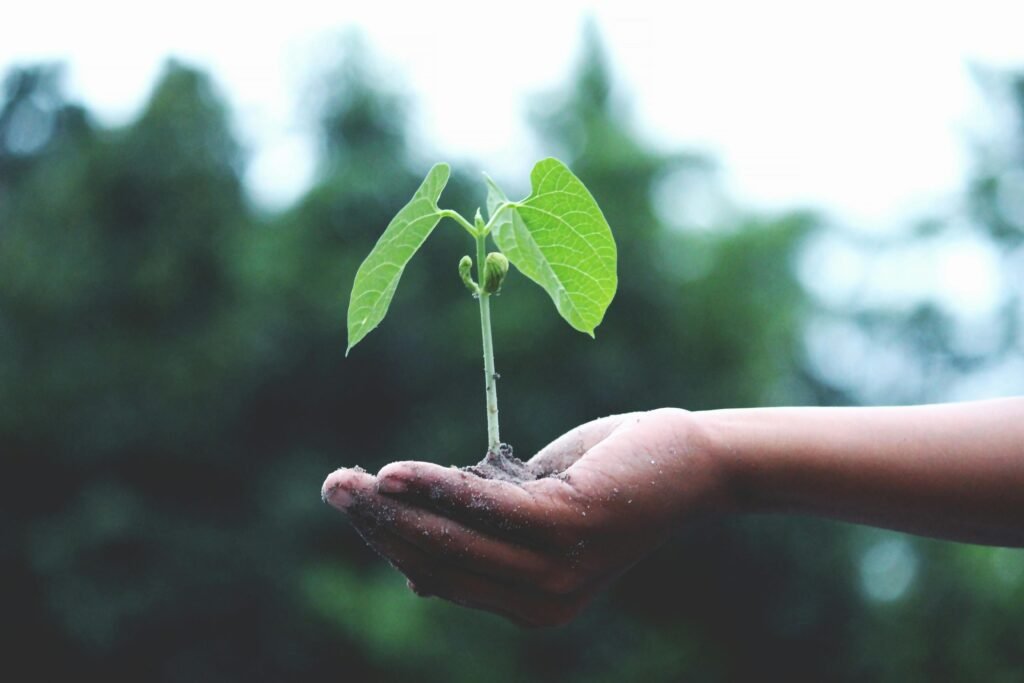
As stated in verse three, the blessed man who spends his time in the Word will be “like a tree planted by the rivers of water.” The blessed man was not in this location because of random chance events. He was planted. Planted by Almighty God in a specific place, for a specific purpose.
What good gardener does not plant his crop in the best available conditions? He places the seed in the condition that is most likely to produce robust growth and fruit.
Why would he waste his time planting a tree in a place it could not grow?
He plants the tree in the best location possible. He knows the tree and what it needs to be healthy and productive. He feeds it, waters it, provides nutrients for it, so that it will bring forth fruit in due season and its leaves will never wither (Psalm 1:3).
In addition, He may place it alongside different varieties of the same species for pollination to occur so that the organic life may propagate, creating new life after its kind.
God’s Ecology
We see evidence in nature that a plant does not grow in a vacuum, it thrives in a robust ecological environment. Lowe and Lowe state that in “God’s ecology, individual things and people do not grow alone. They grow when they connect to and interact with the ultimate Source of Life and other growing people.”[1]
They also state, “Our connection to Jesus, which he likened to vine and branches growing in a vineyard, makes possible our connections to other Christians. These spiritual connections serve as interactive conduits for the exchange of spiritual nutrients and resources that lead to mutual growth and maturity.”[2]
If we obey His Word we will be connected to the Source of Life, the Holy Spirit, and will receive needed nutrients from those He has planted near us. The alternative is to be separated from this lush life-giving environment. The psalmist makes no provision for anything in between.
Disobedient, Dry, and Disconnected
In verse four, the psalmist describes the ungodly as chaff. The dried skin of a seed is very fragile. It can easily be crushed by the slightest pressure. It is light and without any sort of roots. It is easily blown away in the direction of the wind. It may blow in a northerly direction, then westerly and so on. Each movement causes the chaff to break down more, until it is no more.
Not so with the deep-rooted tree by the river.
It is an evergreen that keeps its leaves through the harshest of seasons. The water flows, via the Spirit, up through the root system into every part of the tree so that it may not only stand but be productive and produce fruit and provide shelter, nutrients, and sustenance for the life that surrounds it.
Conclusion
In Psalm 1, we see that God is omniscient and our source of life. He is sovereign, just, and righteous. He shows us the only way, truth, and life. By placing this psalm first, He tells us that obedience is better than sacrifice (1 Samuel 15:22). He shows us that obedience must come first. He requires us to do justly (Micah 6:8).
It is a popular thought among believers that once we are saved, there is no need for strict obedience to the Word of God. However, His Word states the contrary. Even in the last book of the Bible, Revelation, it reminds us that “Blessed are those who do His commandments, that they may have the right to the tree of life, and may enter through the gates into the city (Revelation 22:14).”
The thought of this should thrust every believer to their knees in humble adoration of the Savior for the sacrifice He has made and that He is full of compassion, slow to anger, and great in mercy (Psalm 145:8).
Living a blessed life starts with obedience to His Word and only then will the sacrifice of praise and worship be acceptable in His sight. Blessing, prosperity, and success flow from God through a life of obedience.
Obedience in accordance with God’s Word must precede all, for it is the foundation of His promises. Obedience is the duty of the believer, and it is the evidence of their love for Him (John 14:21).
He inhabits the praises of His people; He does not inhabit the praise of the disobedient and ungodly person. Only when one heeds His instructions can they offer themselves and their praise as an acceptable sacrifice to Him.
If they abide in Him, He will abide in them and they will be connected to all the branches, getting nourishment from their Source and, in addition, being a vessel in which His blessing and nourishment can flow to others.
References
[1] Stephen D. Lowe and Mary E. Lowe, Ecologies of Faith in a Digital Age: Spiritual Growth through Online Education (Downer’s Grove, IL: IVP Academic, 2018), 5.
[2] Stephen D. Lowe and Mary E. Lowe, Ecologies of Faith in a Digital Age, 37.
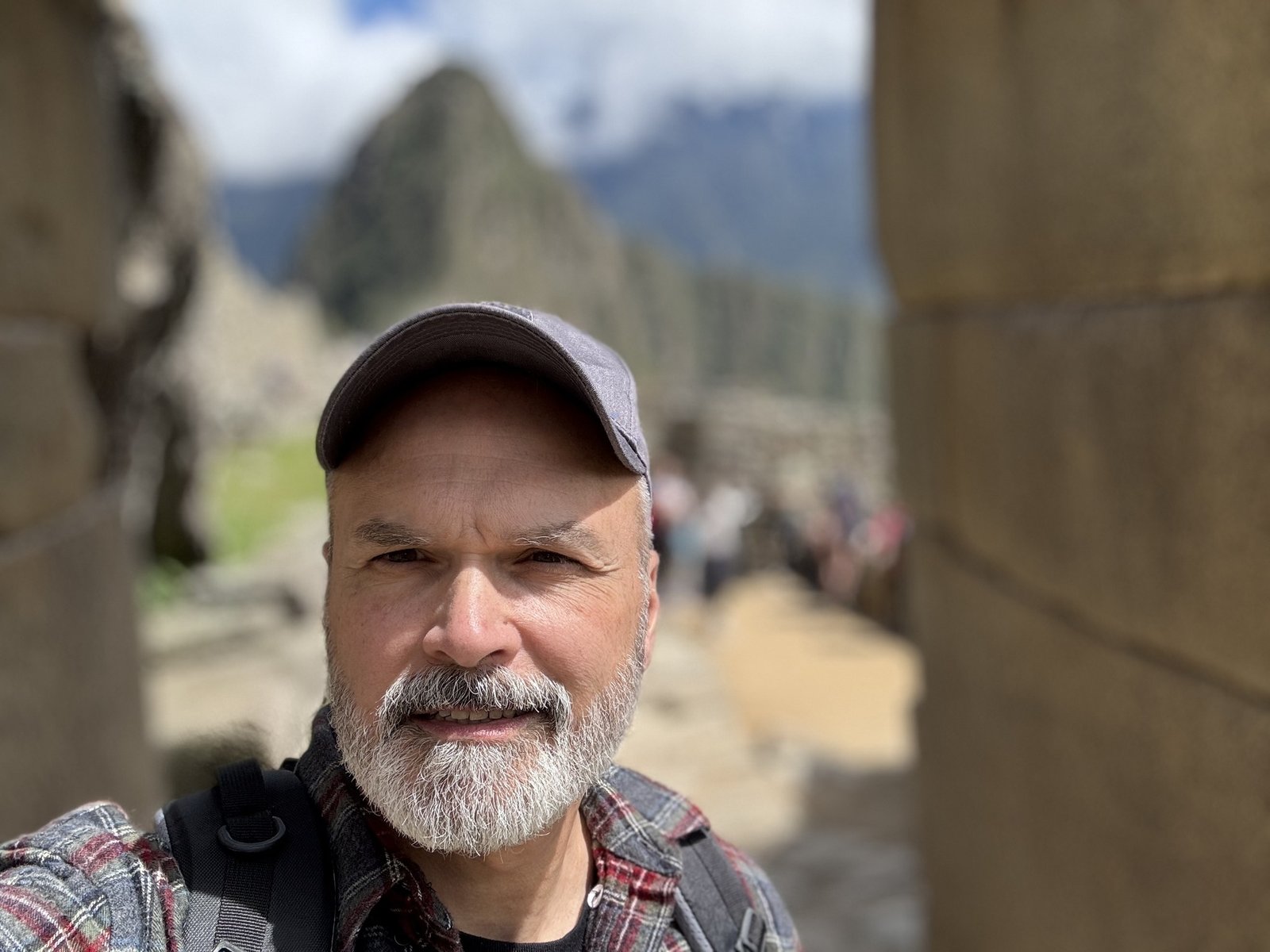
Dan Buteau has been married for the last 33 years and is a father of four adult children. He is also a grandfather to five children. He serves as a Pastor at a church in southern Maine. He has a Bachelor’s Degree in Math Studies from Granite State University and he is currently a Master’s of Theology student at Liberty University. In addition, Dan served in the United States Marine Corps for four years and is retired from a 25-year career in law enforcement. He has a hunger and thirst for the Word of God and is continuing to obey the calling of his Savior, Jesus Christ, as he carries out the Great Commission.